
AI Chatbot Services | Conversational AI | Autonomous Agents | Multimodal Chatbots | Voice-Enabled Assistants | Contextual Chatbots | Proactive Chatbots | Emotion-Aware Chatbots | Sentiment-Driven Bots | Domain-Specific Chatbots | Vertical Chatbot Solutions | Omnichannel Conversational Agents | Hybrid AI + Rule Engines | Real-Time Response Bots | NLP Chatbots | LLM-Powered Assistants | Personalized Chat Experiences | Customer Support Automation | Sales & Lead Qualification Bots
In today’s fast-paced digital world, customers expect instant answers, personalized experiences, and round-the-clock service. For most businesses, meeting these expectations can be difficult without automation. That’s where AI chatbotscome in. These intelligent virtual assistants are transforming the way companies communicate, sell, and support their customers. Whether you run a large retail chain or a small café, chatbots can streamline operations, reduce workload, and deliver better customer engagement.
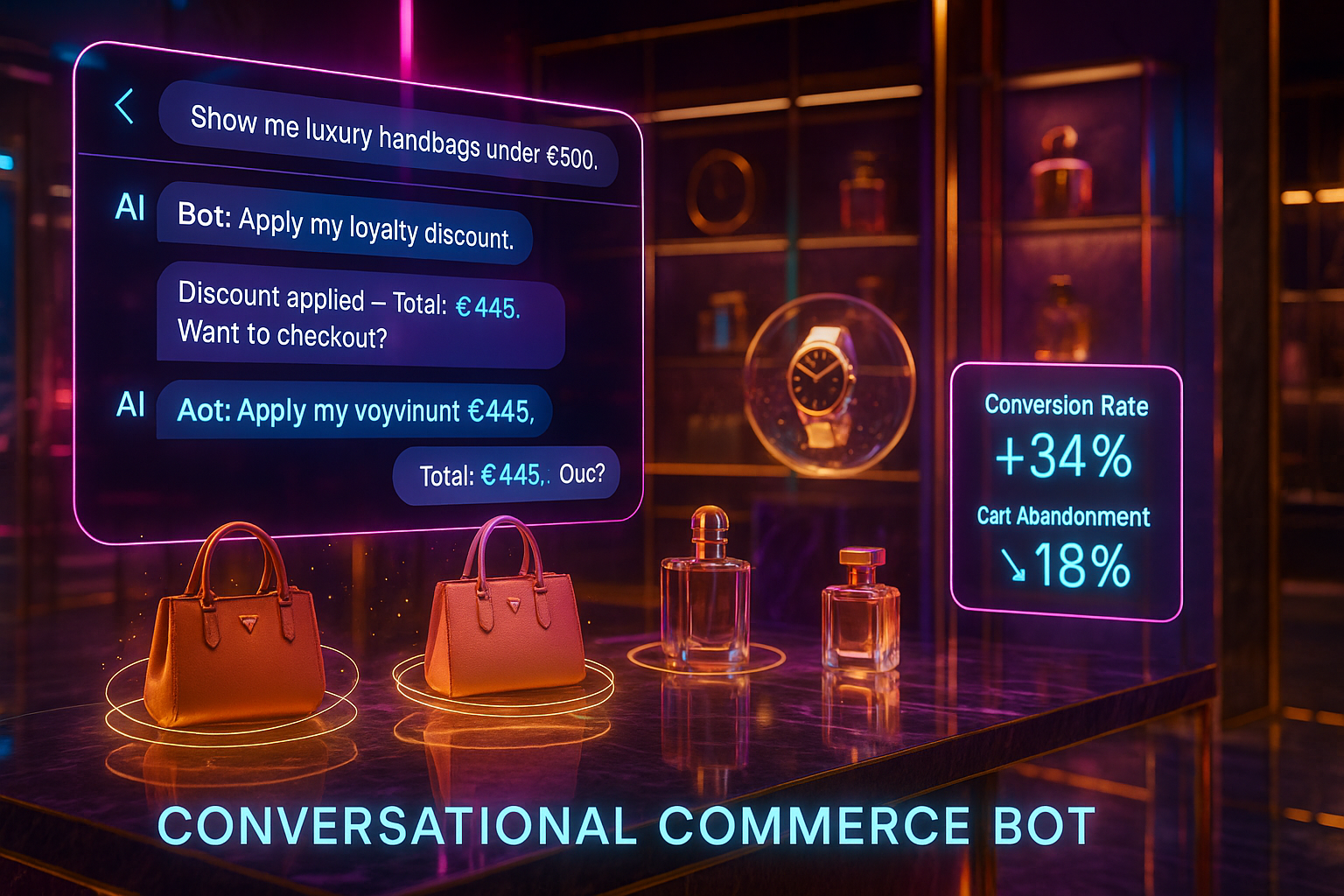
In the retail world, chatbots have become essential for creating seamless customer journeys. They can instantly answer questions about products, availability, and delivery, guiding shoppers through every stage of the purchase process. Modern e-commerce bots can recommend items based on browsing behavior, apply discounts or loyalty rewards, and process returns — all without human help. The result is a smoother shopping experience, higher conversion rates, and fewer abandoned carts.
For small online stores, chatbots are especially valuable because they provide 24/7 customer service without the cost of a full support team. Even a single-person business can offer professional, always-on customer care that builds trust and loyalty.
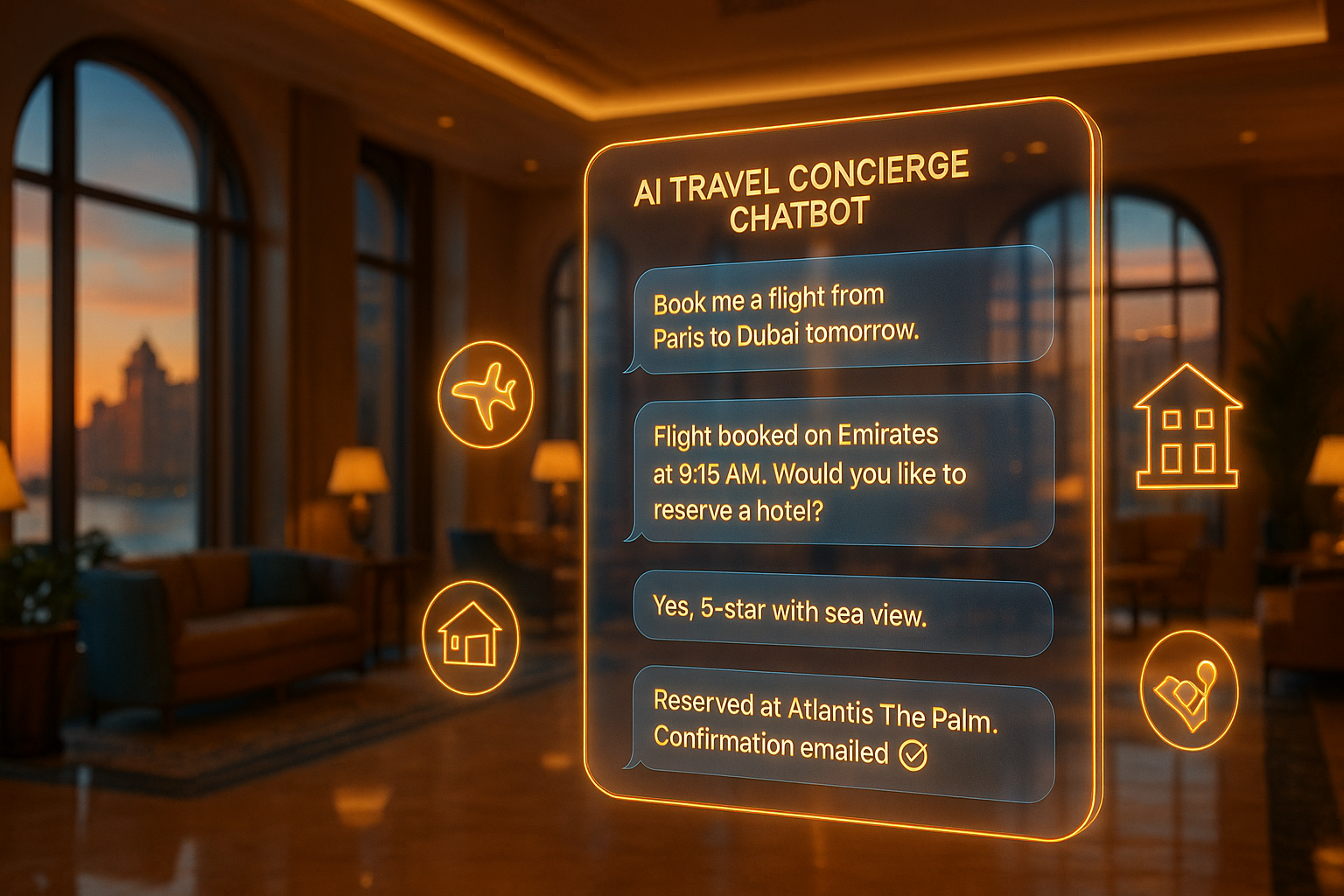
In hospitality, where timing and convenience are everything, AI chatbots make customer interactions effortless. Restaurants use them to manage reservations, take online orders, suggest menu pairings, and send delivery updates. Hotels and travel companies deploy chatbots to help guests book flights, find rooms, and confirm check-in details. Imagine a traveler simply saying, “Book me a room with a sea view,” and the AI completing the task instantly.
For small restaurants and local hotels, chatbots reduce missed bookings and phone overload. They handle routine tasks automatically, allowing owners and staff to focus on what matters most — delivering great service.
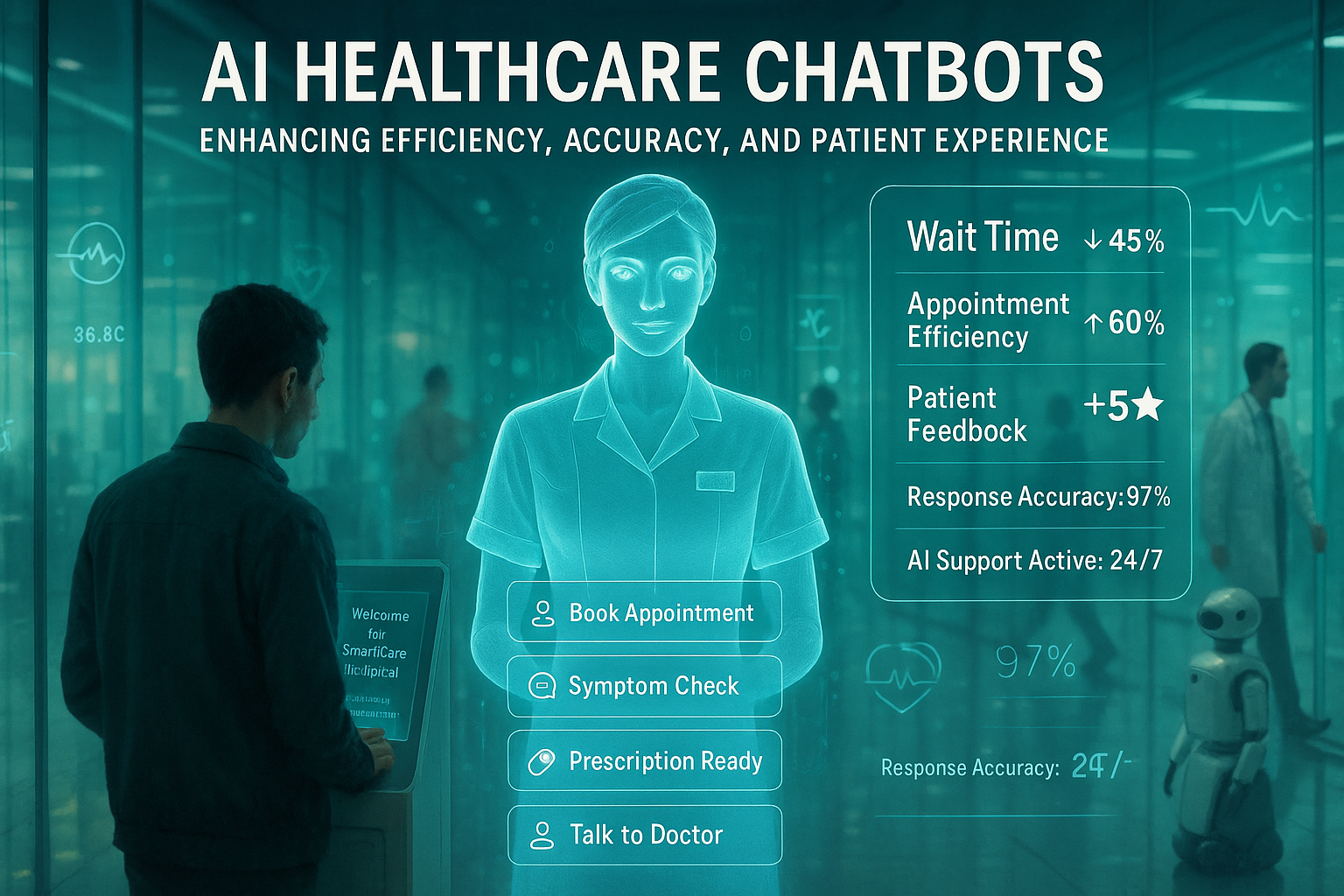
AI chatbots are revolutionizing how healthcare providers interact with patients. They can schedule appointments, conduct symptom checks, send reminders, and share essential information. A patient might ask, “What does this symptom mean?” or “When is my next visit?” — and the chatbot can respond accurately in seconds. This improves accessibility, reduces waiting times, and helps hospitals operate more efficiently.
For small clinics and independent healthcare professionals, chatbots are a cost-effective way to manage bookings, follow-ups, and reminders — ensuring no patient feels neglected or overlooked.
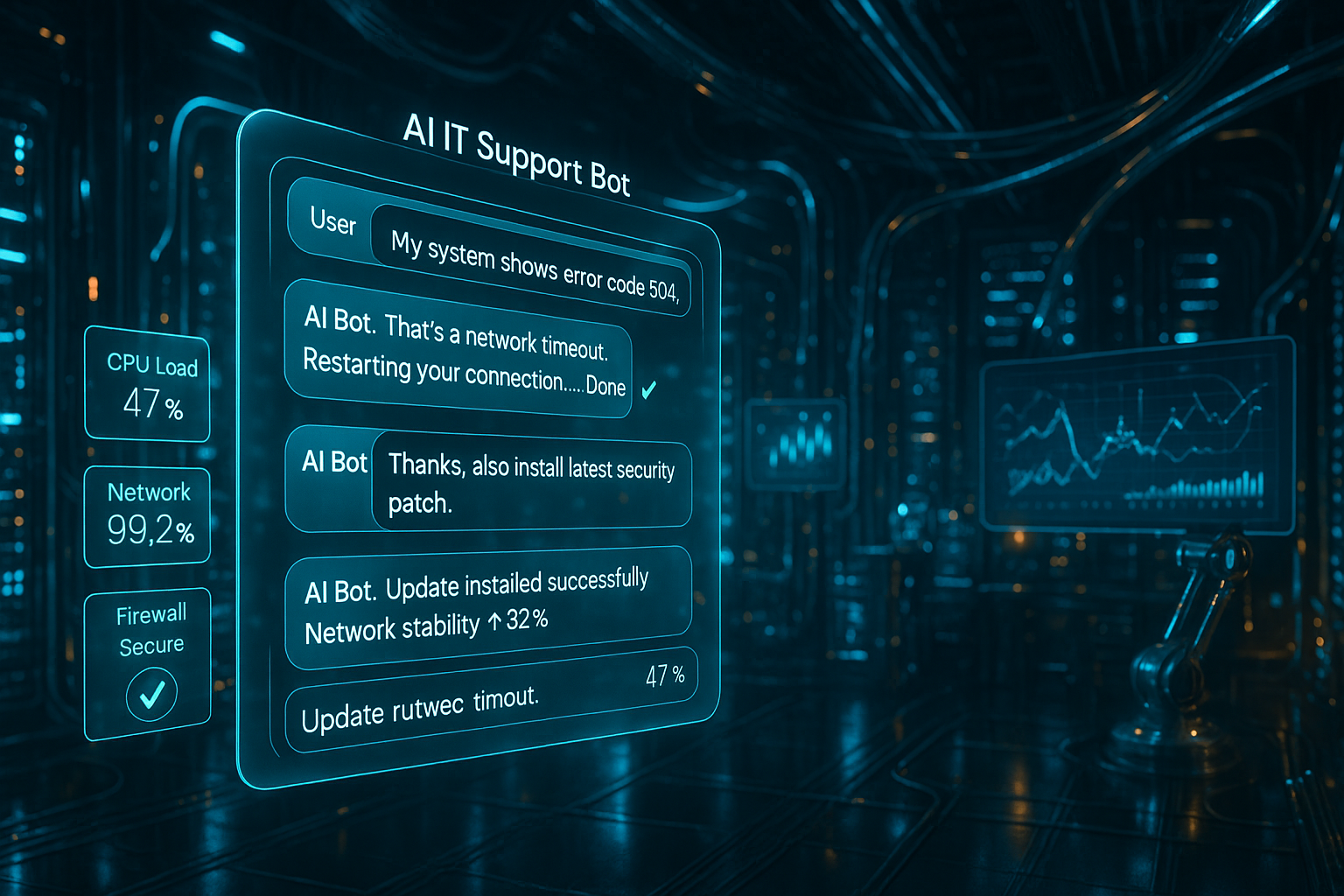
In corporate environments, AI chatbots act as reliable digital assistants that simplify daily operations. They can schedule meetings, manage leave requests, or update employees on projects. In IT departments, chatbots instantly resolve common issues like password resets or software updates, saving valuable time.
Even small offices can benefit greatly. A single chatbot can automate HR queries, customer inquiries, and IT troubleshooting — reducing the need for multiple staff and keeping workflows smooth and organized.
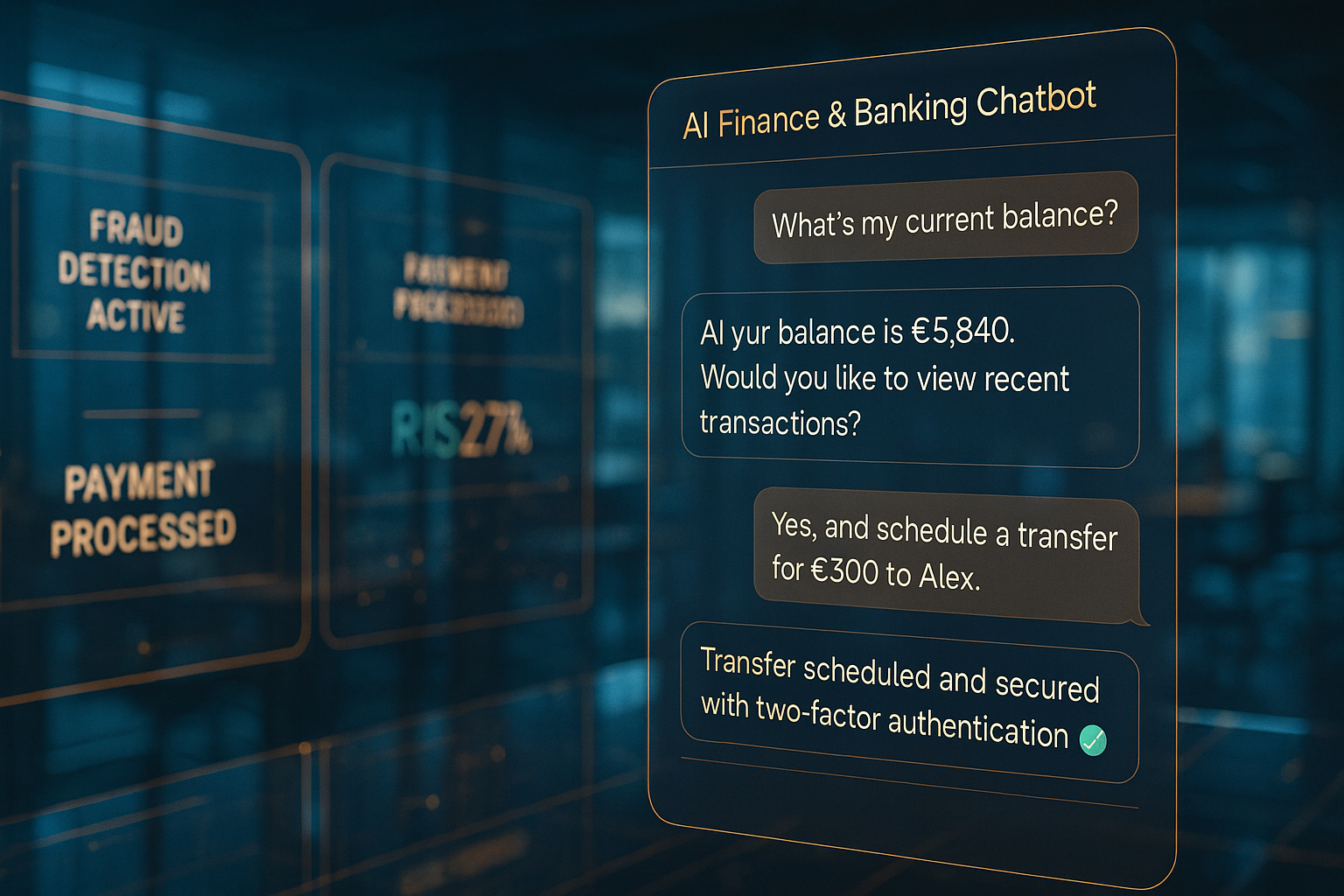
Financial institutions are adopting chatbots to make their services faster, safer, and more personal. Customers can ask about account balances, loan options, or recent transactions without waiting for a representative. AI-powered bots can also detect suspicious activities or send alerts for unusual spending.
For smaller financial consultancies or accounting firms, chatbots can automate client communication, appointment scheduling, and FAQ handling — giving clients immediate access to reliable information while saving valuable staff time.
In education, AI chatbots act as tireless assistants for students, teachers, and administrators. They help students find course details, get reminders about exams, or access study materials. Educators use chatbots to answer routine questions, manage admissions, and streamline administrative work.
For small training centers or online course creators, chatbots offer 24/7 student support without the need for large teams. This makes education more interactive, efficient, and accessible.
For small and growing businesses, AI chatbots can be game changers. They never sleep, never miss a message, and can handle hundreds of conversations at once. Whether it’s a local shop, salon, café, or startup, a chatbot can take orders, answer customer questions, confirm appointments, and even send promotions — all automatically.
Instead of hiring multiple employees to handle messages, emails, or support calls, small businesses can use one intelligent chatbot that manages everything consistently and professionally. This reduces costs, saves time, and allows owners to focus on strategy, creativity, and customer relationships.
Across every industry, AI chatbots are becoming an essential part of modern customer service and business operations. They combine automation, personalization, and speed — delivering better results with lower costs. What was once a luxury for large enterprises is now accessible and affordable for small and mid-sized businesses, thanks to advancements in AI technology.
At Northern Cats, we design industry-specific AI chatbots powered by data analytics and predictive intelligence. Our bots don’t just respond — they learn, adapt, and enhance the customer experience with every interaction.
If you’re ready to bring AI automation into your business, contact Northern Cats today. We’ll help you design the perfect chatbot solution to elevate your operations, increase efficiency, and delight your customers.
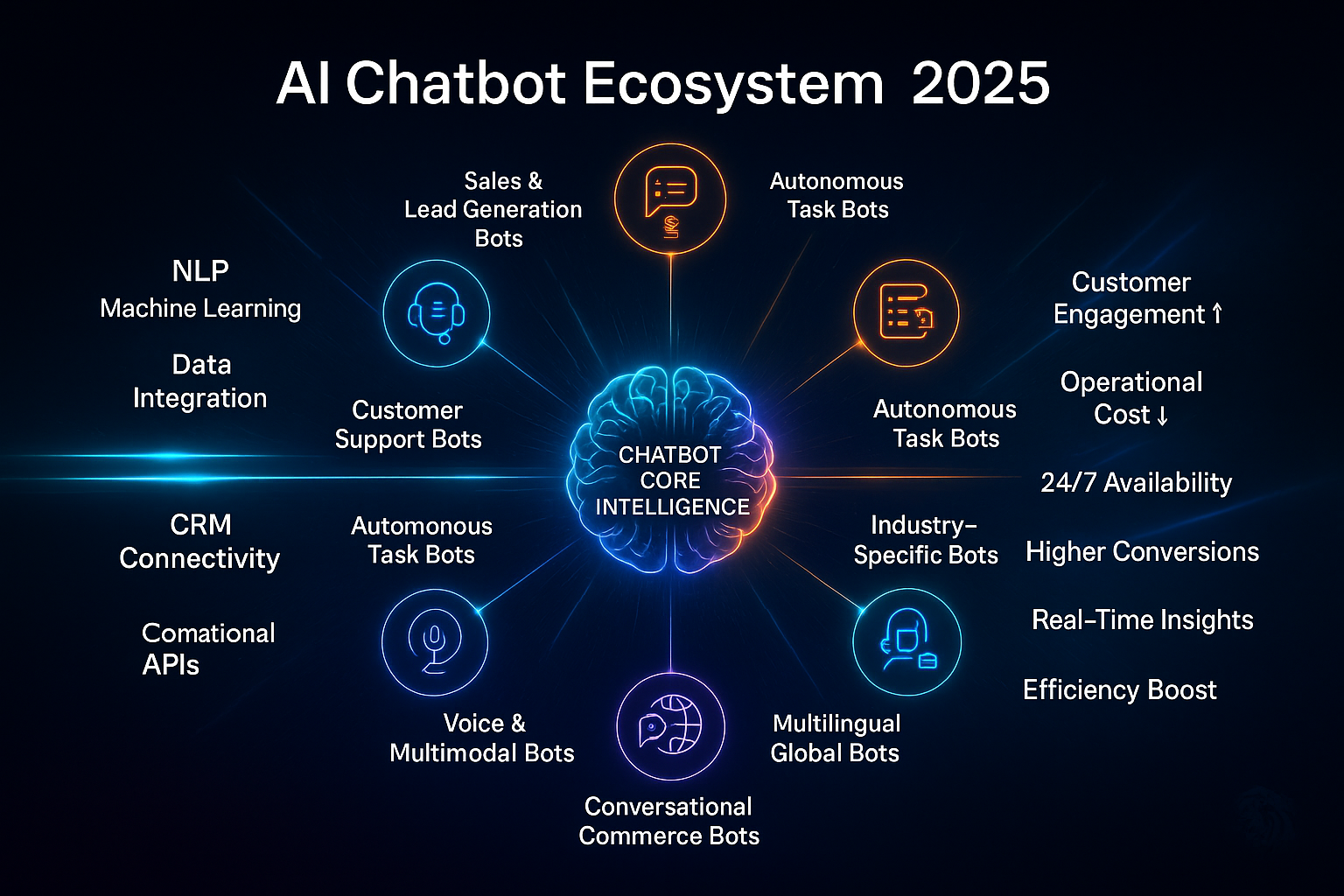
In the modern digital world, chatbots have evolved into powerful tools that transform the way businesses communicate with customers and manage internal operations. What started as simple automated message responders has now become a field of intelligent conversational systems capable of understanding context, performing tasks, and delivering personalized experiences. Today, businesses of every size — from small retailers to large enterprises — are using AI chatbots to improve efficiency, enhance service quality, and scale customer engagement.
FAQ chatbots are among the most common types of AI assistants. Their main goal is to answer frequently asked questions, such as product details, policies, or service information, without the need for human intervention. These chatbots rely on company knowledge bases, documents, or websites to find accurate answers. Modern versions use advanced AI techniques that allow them to search and read information from a business’s data sources in real time, ensuring customers always receive up-to-date answers. They are especially useful for customer support, onboarding, and internal helpdesks.
To build these chatbots, businesses gather their existing materials — such as FAQs, PDFs, or manuals — and store them in a structured database. The chatbot is then trained to understand questions and retrieve relevant answers through a combination of machine learning and natural language processing.
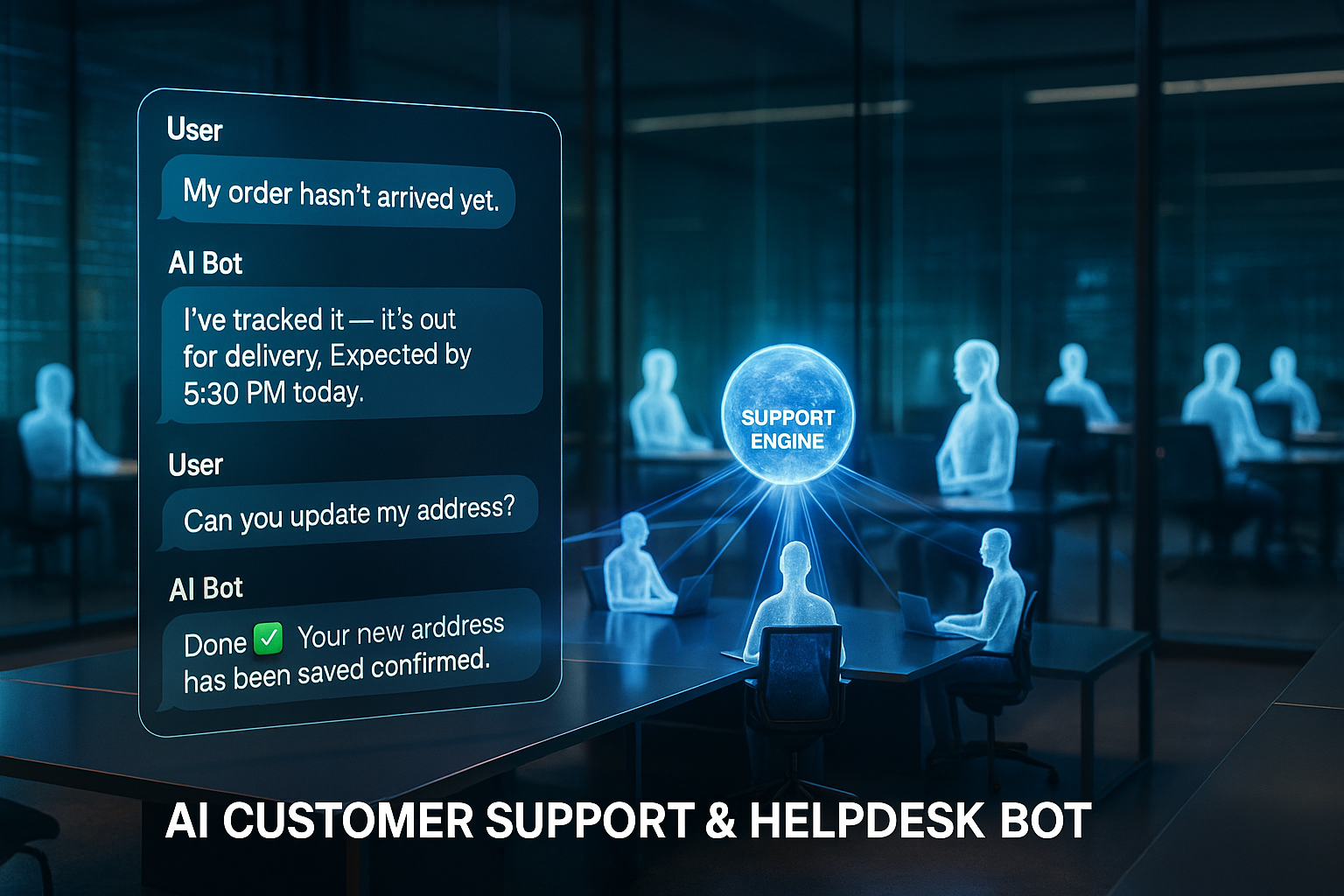
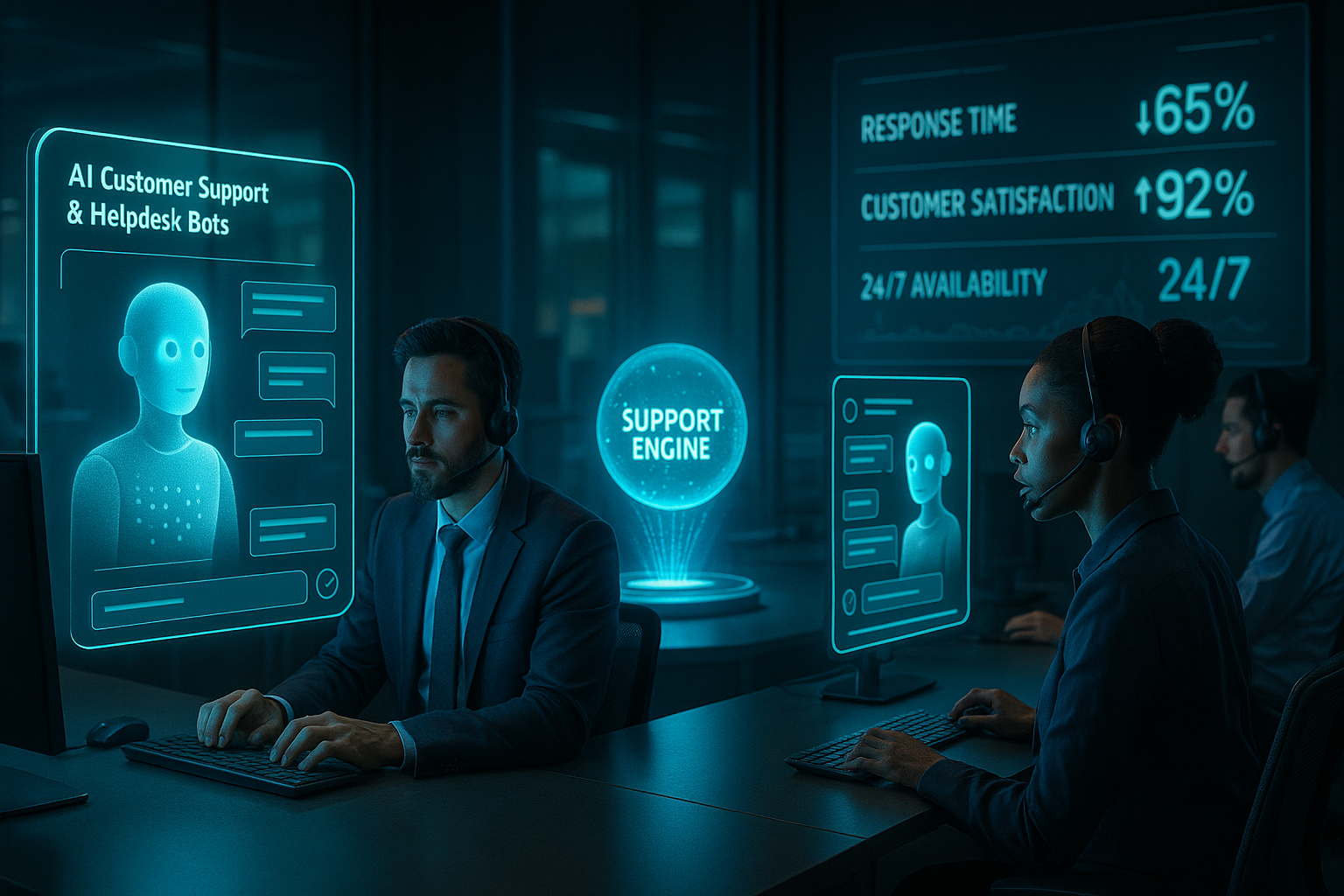
Customer support chatbots are designed to assist users with issues like tracking orders, checking delivery status, or processing returns. They can instantly respond to thousands of customers, reducing waiting time and freeing up human agents to handle complex cases. These chatbots often connect with systems like Zendesk or Intercom, allowing them to create or update support tickets automatically.
Building a helpdesk chatbot involves integrating it with existing customer databases and service platforms. The chatbot identifies the intent behind a user’s question and either resolves it on the spot or hands it over to a human agent if needed. Over time, it can learn from real interactions, improving its responses and accuracy.
Transactional chatbots act as digital sales assistants that help users browse products, apply discounts, and complete purchases. They enhance the online shopping experience by making it faster and more interactive. For instance, a user might ask, “Show me shoes under €200,” and the chatbot will instantly display product options, apply filters, and even process payments.
Creating such a bot requires integration with an online store’s platform, such as Shopify or WooCommerce, and secure payment gateways like Stripe or PayPal. Developers also design natural conversational flows to guide the customer through the buying process in a friendly and intuitive way.
Sales and lead generation chatbots help businesses capture potential customers by asking the right questions and gathering contact information. They can greet website visitors, qualify leads based on their responses, and even schedule meetings with sales representatives.
To build a lead-generation bot, developers create structured dialogue flows that match the company’s sales process. The chatbot connects to a CRM system such as HubSpot or Salesforce, where it automatically logs new leads and updates their status. These bots are especially valuable for B2B companies, online service providers, and real estate businesses looking to automate initial customer interactions.
IT chatbots are designed to solve technical issues or guide users through troubleshooting steps. Common examples include bots that reset passwords, fix connectivity problems, or install software updates. These are particularly helpful for large organizations where IT teams handle repetitive support tasks daily.
To create an IT chatbot, businesses integrate it with tools like Jira or ServiceNow. The bot can run diagnostic checks, access internal systems, and even perform automated fixes based on pre-approved actions. This reduces downtime, increases efficiency, and ensures consistent service quality across departments.
HR chatbots improve internal operations by helping employees access information about company policies, apply for leave, or find their payslips. They simplify everyday HR tasks and ensure employees receive fast and accurate answers. These chatbots are commonly used in corporate communication platforms such as Slack or Microsoft Teams.
Developing an HR chatbot involves connecting it to the company’s HR software (like Workday or BambooHR) and designing conversational flows for routine employee requests. The chatbot acts as an intelligent HR assistant available 24/7, making internal communication smoother and more efficient.
Conversational commerce bots merge marketing, sales, and customer service into one seamless shopping experience. They understand user intent, show personalized product recommendations, and complete the checkout process — all through chat. For example, a customer might ask, “Show me luxury handbags under €500,” and the bot instantly presents curated options with the option to apply loyalty discounts.
These bots are built by connecting product catalogs, customer data, and marketing systems. The AI layer personalizes responses based on user preferences and previous interactions, creating a shopping experience that feels both human and intelligent.
Booking chatbots are highly effective in industries such as travel, hospitality, and healthcare. They handle reservations, cancellations, reminders, and payments in a conversational format. A user might say, “Book me a flight to Dubai tomorrow,” or “Schedule a doctor’s appointment for next Monday,” and the chatbot handles the rest.
To develop booking bots, engineers integrate them with calendar systems, scheduling software, and payment tools. Natural language processing ensures the bot can understand variations in how users make requests. These chatbots save time, reduce booking errors, and increase customer satisfaction.
Voice chatbots interact through speech rather than text, creating a more natural and human-like experience. They are widely used in customer service phone systems, smart home devices, and automotive assistants. Multimodal chatbots go one step further by combining text, voice, images, and videos to create rich, interactive conversations.
Developers build voice bots using speech recognition and text-to-speech technologies such as Twilio, Dialogflow, or Amazon Lex. They must also optimize performance to maintain low latency, ensuring real-time responses during conversations.
Analytics chatbots make it easier for businesses to understand their data by allowing users to ask questions in plain language. Instead of using complicated dashboards, a manager can simply type, “Show me last month’s sales by region,” and the chatbot instantly displays the results.
Building such a chatbot requires connecting it to a company’s data warehouse, such as BigQuery or Snowflake, and teaching it how to translate natural language questions into database queries. It can also generate visual reports, charts, and summaries, helping teams make faster, data-driven decisions.
Agentic chatbots represent the most advanced stage of AI conversational systems. These bots can reason, plan, and perform multiple steps on their own — such as researching data, sending emails, generating reports, or booking meetings. They behave more like digital employees capable of completing full workflows.
To create these bots, developers use orchestration frameworks that allow the chatbot to call various tools and APIs autonomously. They also implement strict safety checks to ensure accuracy and reliability. This type of chatbot is especially valuable for automation-heavy businesses and enterprise environments.
Some chatbots are designed for specific industries with specialized needs. In healthcare, chatbots assist patients with symptom checks, appointments, and medication reminders. In finance, they handle account information, KYC verification, and investment advice. In education, they act as tutors that personalize lessons and quizzes for each student.
Building these chatbots requires careful attention to security and compliance standards such as GDPR or HIPAA. Developers use secure APIs, anonymized data, and audit logging to protect user information and maintain trust.
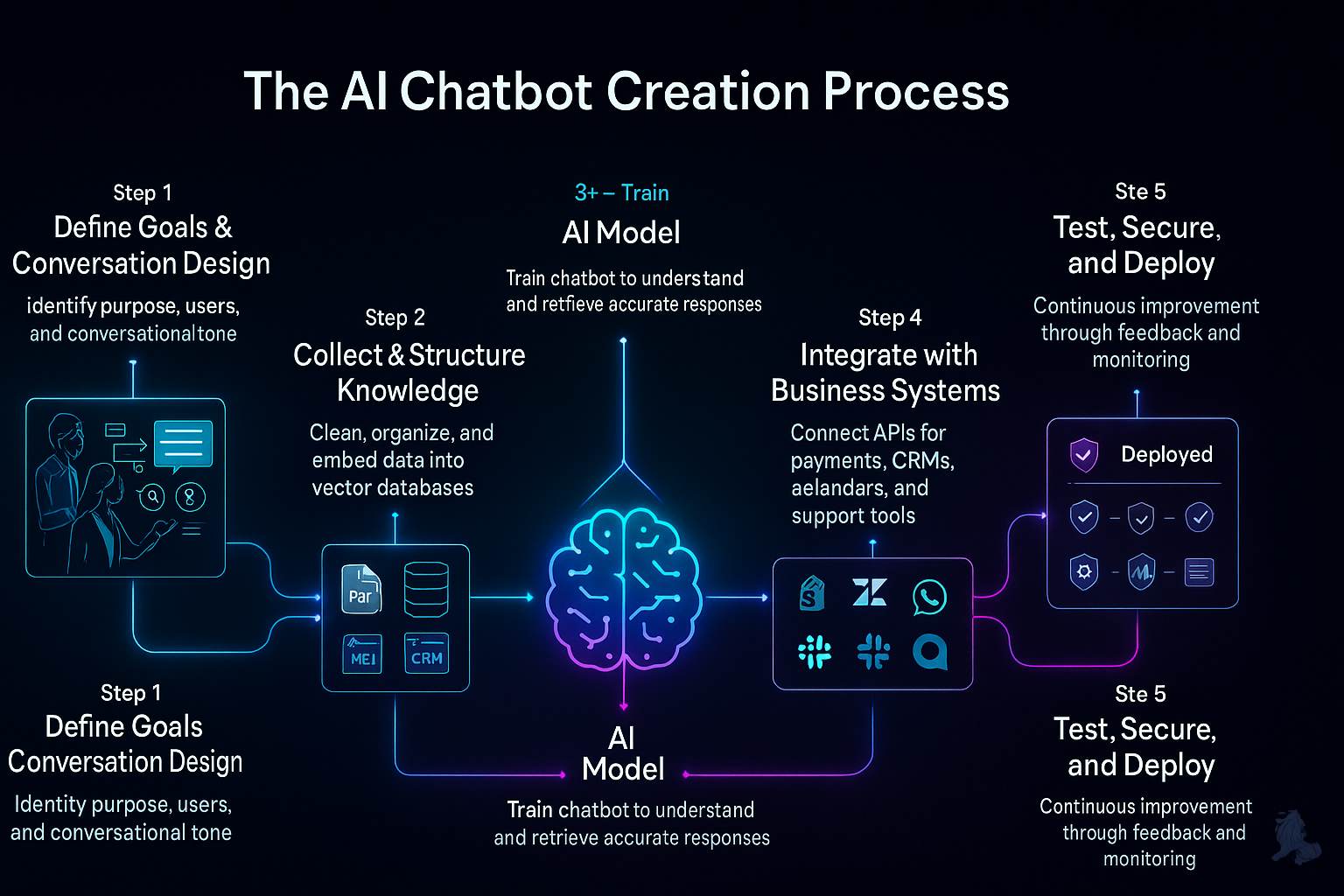
The process of creating an AI chatbot begins with understanding the business goal. The first step is defining what the chatbot should do — whether it’s answering FAQs, booking appointments, or processing payments. Next comes conversation design, where natural dialogue flows are mapped out to ensure smooth and engaging interactions.
Developers then prepare the knowledge base by gathering documents, FAQs, or customer data. If the chatbot needs to reference live information, a Retrieval-Augmented Generation (RAG) system is built to fetch accurate answers from the latest data. After that, the chatbot is integrated with other systems such as CRMs, booking engines, or e-commerce platforms.
Finally, safety filters and escalation systems are added to ensure reliable operation. The chatbot undergoes continuous testing and improvement based on real user feedback, gradually becoming more intelligent and personalized over time.
AI chatbots have become essential tools for modern businesses, offering round-the-clock service, faster response times, and a personalized touch that scales effortlessly. Whether used for customer support, sales, analytics, or automation, chatbots are redefining digital engagement.
At Northern Cats, we create intelligent, visually appealing, and purpose-driven chatbots that combine advanced AI with human-like interaction. Our goal is to help businesses unlock efficiency, elevate their brand, and create meaningful conversations that lead to measurable growth.