

At Northern Cats, we believe intelligence should serve humanity — not replace it.
Our research services help public sector organizations harness the full potential of data, ethics, and AI to design a future grounded in transparency, fairness, and trust.
From policy design to decision support, we bring clarity to complexity. Our multidisciplinary team integrates data science, behavioral insights, and AI governance principles to build frameworks that empower governments, institutions, and citizens alike.
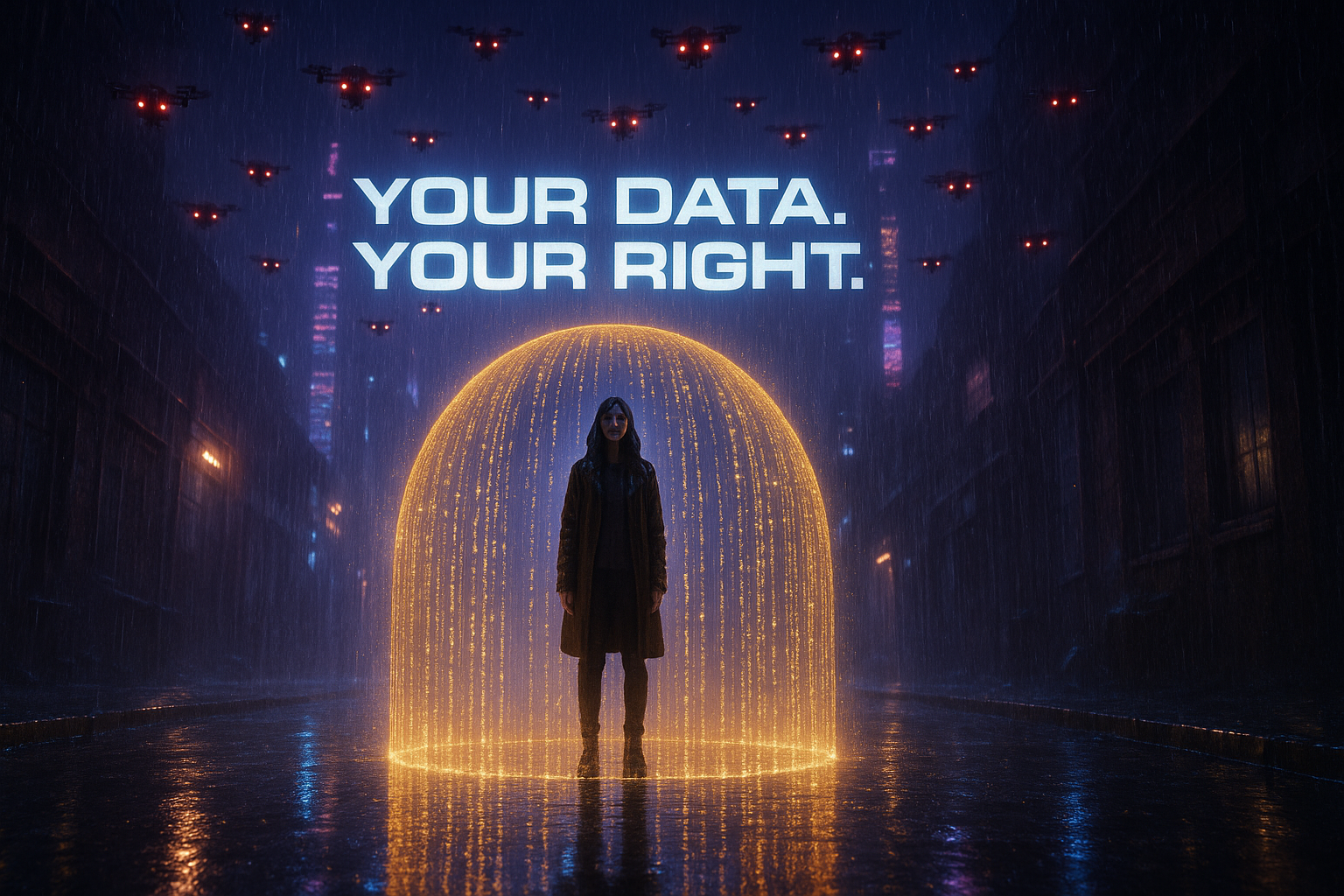
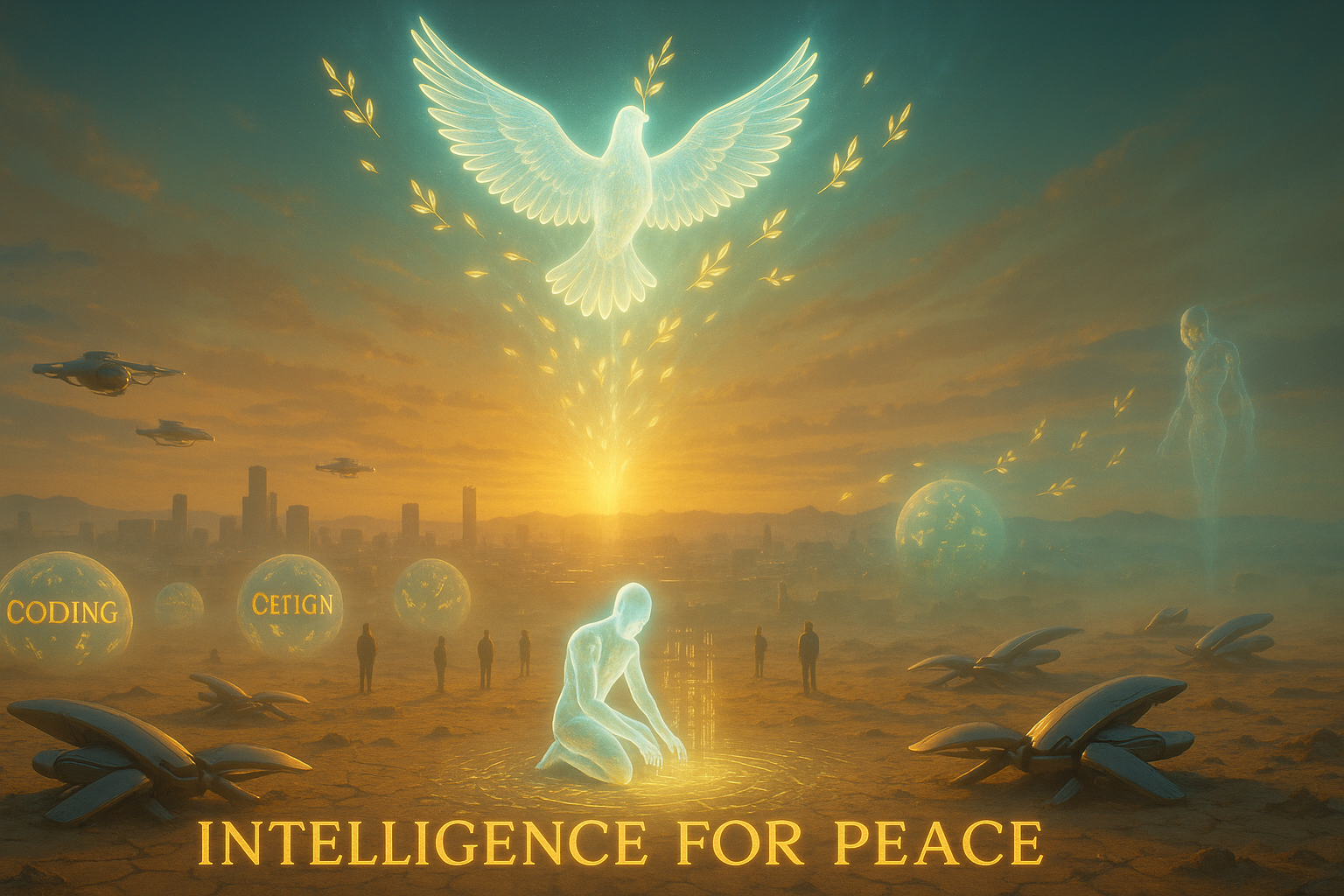
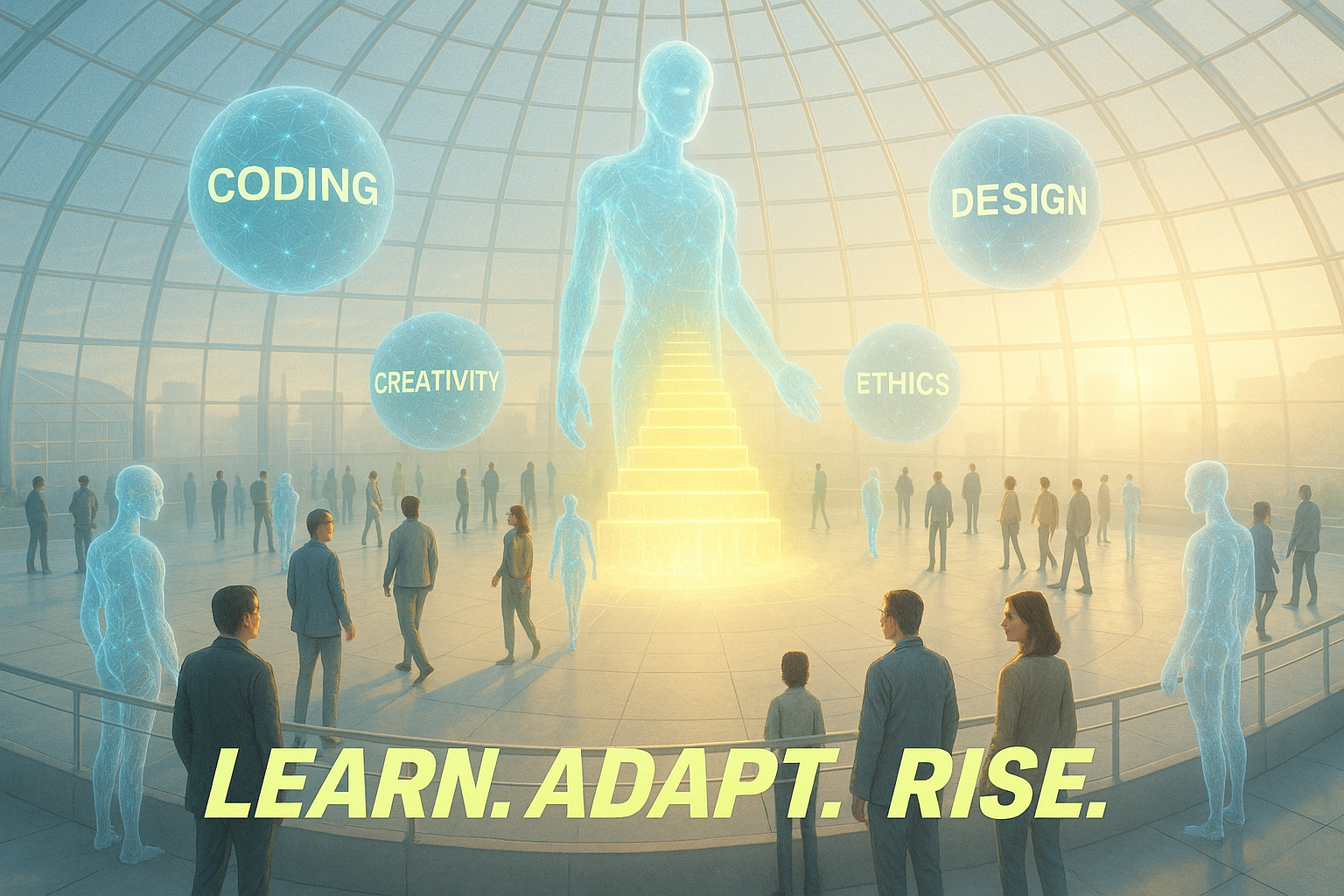

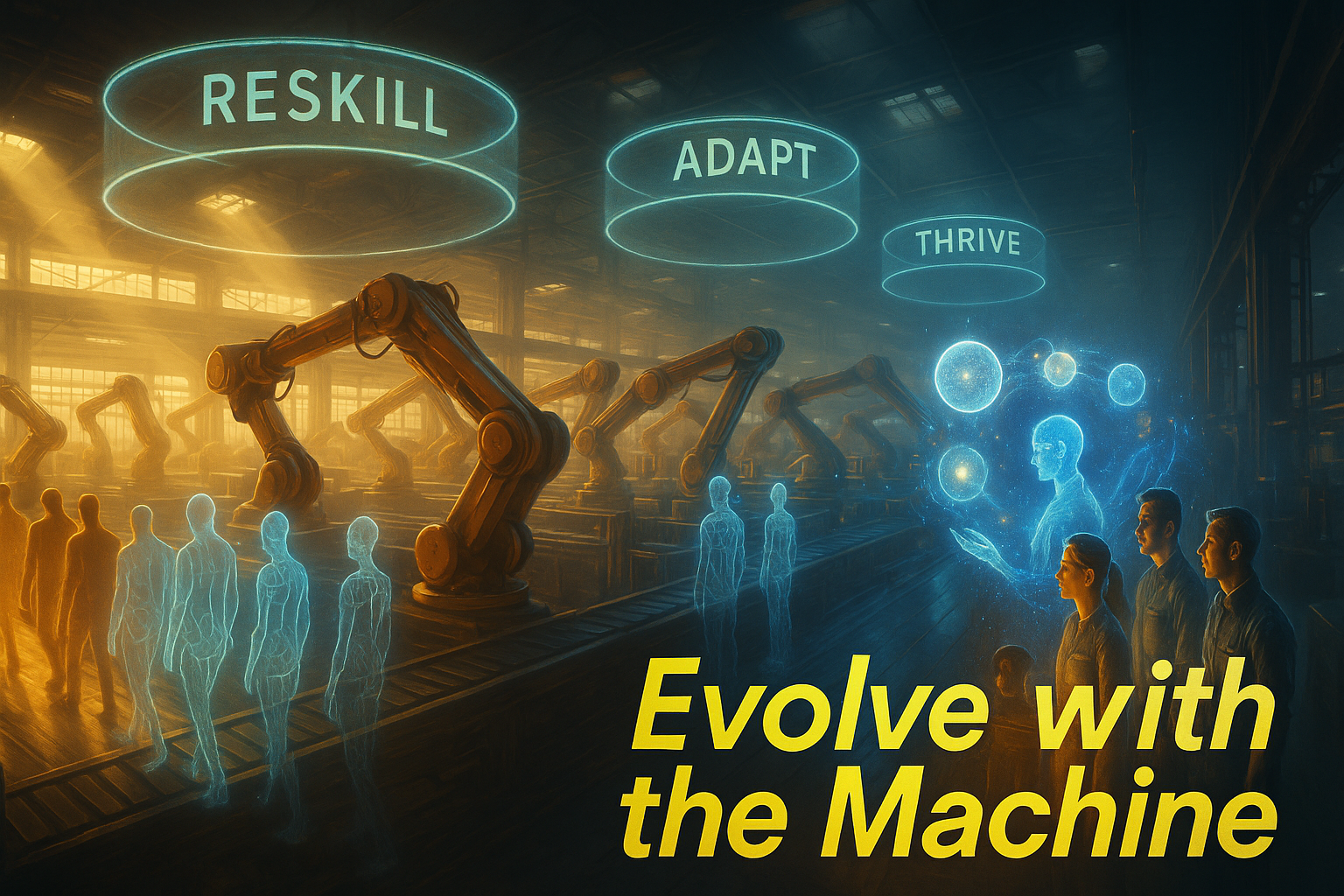
In an age where algorithms influence policy, public trust, and even peace, the question is no longer what AI can do — but what AI should do.
At Northern Cats, we dedicate our research to one guiding principle: intelligence must serve humanity with fairness, transparency, and moral purpose.
Governments and public institutions face unprecedented challenges — from managing vast amounts of citizen data to ensuring that technology supports inclusion and equity.
Our mission is to help the public sector navigate this new era with data-driven clarity and ethical responsibility.
We don’t just build AI systems; we design frameworks that empower human judgment. Our research translates complex data into meaningful insights that policymakers, educators, and civic leaders can trust.
The future of governance will depend on more than just information. It will depend on trust — trust in data, trust in algorithms, and most importantly, trust in people.
That’s why Northern Cats integrates ethical oversight at every stage of research.
Through bias detection, fairness audits, and AI accountability systems, we ensure that artificial intelligence acts not as a master, but as a mirror of human integrity.
Our approach unites data analytics, behavioral research, and AI ethics into a single, continuous process we call “The Circle of Responsible Intelligence.”
At its core are five principles: Fairness, Privacy, Empowerment, Peace, and Truth.
Together, they form the foundation of ethical governance in the digital age.
Our public sector research services go beyond technical analysis. We work with governments, universities, and NGOs to:
Build AI governance frameworks that align with democratic values
Conduct policy impact studies using predictive and ethical modeling
Create data ecosystems that support transparency and accountability
Develop AI literacy and upskilling programs for public servants
Support ethical technology in defense, safety, and peace initiatives
Each project we undertake is a commitment to clarity, foresight, and human empowerment — transforming raw data into insights that serve society, not just systems.
Northern Cats envisions a world where data and ethics coexist in harmony.
Where every public decision is guided by knowledge, empathy, and accountability.
Where the light of truth shines through even the most complex networks of information.
Our work stands for Peace, Safety & Ethical Defense, because technology without morality is power without direction.
By embedding fairness and foresight into the fabric of AI, we help create a future where intelligence does not dominate — it illuminates.
The public sector is entering a renaissance — one where intelligence is no longer measured by computational power but by ethical depth.
And in that future, every dataset becomes a story of hope, and every algorithm becomes a commitment to justice.
At Northern Cats, we call it:
“Responsible Intelligence — designed for peace, powered by ethics, and guided by truth.”
| Research Theme | Core Ethical Questions | Potential Applications | Public Sector Relevance |
|---|---|---|---|
| Algorithmic Bias & Fairness | How can we detect, quantify, and eliminate social bias from AI models? What constitutes fairness across cultures? | Bias detection tools, fairness metrics, inclusive dataset protocols. | Ensures equity in welfare systems, justice algorithms, and public recruitment platforms. |
| Transparency & Explainability | How can opaque neural systems explain their reasoning? | Explainable AI dashboards, interpretable ML for policy and defense. | Enables public trust in AI governance and auditing of automated decisions. |
| Data Privacy & Consent | Who owns the data used by AI? How can individuals control it dynamically? | Federated learning, differential privacy, consent management platforms. | Protects citizen rights in healthcare, taxation, and surveillance. |
| Accountability & Responsibility | Who is legally responsible when AI fails or causes harm? | Legal frameworks for AI liability, traceability in decision-making. | Provides legal clarity in public services and defense operations. |
| Human Autonomy & Agency | How do algorithms shape our choices and freedom of thought? | Ethical recommender systems, anti-manipulation design. | Safeguards digital freedom, prevents behavioral control. |
| Employment & Economic Ethics | How should societies adapt to automation without losing human dignity? | Reskilling programs, human-AI collaboration policies. | Protects workforce transition in industrial and public jobs. |
| AI in Defense & Security | Where is the moral line for autonomous decision-making in combat? | Human-in-the-loop defense AI, ethical military AI boards. | Prevents misuse of lethal autonomous systems, builds trust in national defense. |
| Deepfakes & Disinformation | How can we verify truth when AI fabricates reality? | Content authenticity protocols, watermarking, deepfake detection. | Protects democratic processes and national security. |
| Emotional & Cognitive AI | Should machines simulate empathy or consciousness? | Emotional AI governance models, authenticity disclosure laws. | Regulates emotional tech in healthcare, education, and elderly care. |
| Environmental Impact of AI | How sustainable are current AI architectures? | Green AI computing, low-carbon data centers, ethical sourcing. | Reduces AI’s carbon footprint in public infrastructure and procurement. |
| Governance & Regulation | How can laws evolve with rapidly advancing AI? | Adaptive ethical charters, international AI accords. | Enables flexible regulation and cross-border cooperation. |
| Human–AI Coexistence & Alignment | How do we ensure AI systems act consistently with human values? | Long-term value alignment, AI constitution design. | Prevents existential risks and promotes responsible innovation. |
| Cultural & Societal Impact | Will AI homogenize global culture or preserve diversity? | Cultural dataset preservation, multilingual AI training. | Supports local identity, language protection, and cultural heritage projects. |
| AI in Education Ethics | How can AI tutors empower learning without dependency? | Ethical edtech platforms, adaptive moral learning modules. | Ensures responsible AI use in schools and lifelong learning. |
| Moral Psychology of AI Creation | What are the creator’s ethical duties when designing intelligent systems? | Ethics-by-design training for developers. | Builds ethical literacy within public R&D teams. |